
Growth Marketing: A Practical Guide for Startups Ready to Scale
In the fast-paced startup world, standing still means falling behind. Competition is intense, and simply running ads or optimizing for search isn't enough anymore. That's where growth marketing steps in—a smarter, more holistic way to build sustainable momentum.
Growth marketing blends creativity, data, and relentless experimentation to drive user acquisition, engagement, and long-term revenue. It's not about quick wins; it's about building systems that compound over time.
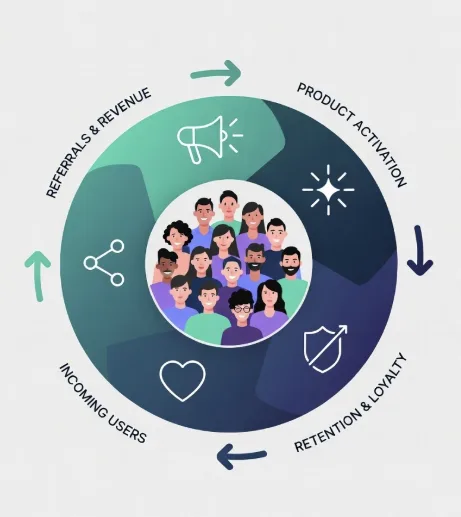
What Sets Growth Marketing Apart from Traditional Approaches
Traditional digital marketing often zeros in on attracting new eyeballs—think SEO tweaks, paid campaigns, and broad awareness efforts. Growth marketing goes further. It treats the entire customer lifecycle as an opportunity, focusing heavily on turning users into loyal advocates who fuel organic expansion.
A prime example is how brands harness user-generated content (UGC). Companies like GoPro encouraged customers to share their adventures, creating authentic promotions that spread virally across social platforms and YouTube. This approach turns satisfied users into powerful, cost-effective ambassadors.
The magic lies in the flywheel effect: happy customers bring in more
Why Data and KPIs Matter
You can't improve what you don't measure. Growth marketing demands a data-driven mindset. Marketers shift from pure creatives to analysts who constantly test, track, and refine.
Key principles boil down to:
- Pinpoint your best acquisition channels.
- Prioritize real engagement over vanity metrics.
- Double down on what works through rigorous testing.
Without solid KPIs, you're flying blind. Track everything from acquisition costs to retention rates, and use insights to iterate quickly.
Breaking Down the AARRR Framework
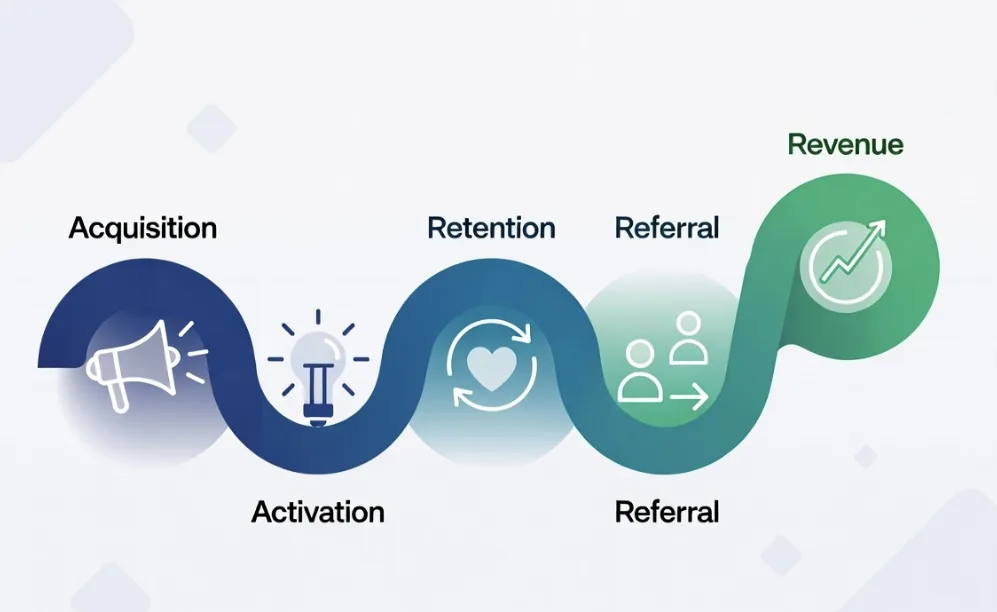
One of the most popular models for growth marketing is the AARRR pirate metrics framework (coined by Dave McClure). It maps the customer journey in five stages:
1. Acquisition – Attracting the Right People
Get potential users in the door through channels like content, social media, paid ads, SEO, or partnerships. Success here depends on knowing where your audience spends time.
Metrics to watch: Cost per acquisition (CPA), customer acquisition cost (CAC), conversion rates.
2. Activation – Delivering the "Aha!" Moment
It's not enough for someone to sign up. They need to experience immediate value. Think smooth onboarding, personalized guidance, or quick wins that show why your product fits their needs perfectly.
Metrics: Activation rate, daily active users (DAU), drop-off rates.
3. Retention – Keeping Users Coming Back
Retention is often more valuable (and cheaper) than constant acquisition. Build habits through great support, regular updates, personalized communication, and loyalty incentives. Reducing churn is a superpower here.
Metrics: Retention rate, churn rate, lifetime value (LTV), average order value.
4. Referral – Turning Users into Promoters
When customers love what you offer, they naturally tell others. Fuel this with referral programs, affiliate incentives, influencer outreach, and easy ways to share experiences.
Metrics: Referral volume, UGC created, review counts.
5. Revenue – Monetizing Effectively
Focus on increasing value per user through upsells, better pricing strategies informed by feedback, and expanding offerings. Referrals feed this stage by bringing in higher-quality customers.
Metrics: Monthly recurring revenue (MRR), average revenue per user (ARPU), LTV.
Putting Growth Marketing into Action as a Startup
Start small: Map your current funnel, identify weak spots, and pick one or two stages to optimize first. Run experiments (A/B tests are your friend), gather data, and scale winners. Tools for analytics, automation, and customer feedback make this manageable even with limited resources.
Success stories like Zoom highlight how prioritizing product excellence and user delight can reduce reliance on heavy ad spend while driving explosive growth.
Common Questions
What does a real growth marketing example look like?
Think of platforms that scaled rapidly by obsessing over user experience and virality rather than just ads. Customer focus across activation, retention, and referrals often creates outsized results.
What is a growth marketing platform?
These are tools that combine analytics, automation, and engagement features to help teams acquire, activate, and retain users more efficiently.
What does a growth marketer actually do?
They bridge marketing, product, and data. Responsibilities include experimenting with tactics, analyzing behavior, optimizing journeys, and driving both acquisition and loyalty.
Final Thoughts
Growth marketing isn't a one-size-fits-all checklist—it's an ongoing mindset of experimentation and customer obsession. By embracing frameworks like AARRR, staying data-focused, and building genuine value, startups can achieve scalable, sustainable progress. Test relentlessly, learn from your users, and watch the flywheel turn.
The businesses that thrive tomorrow are the ones building smart systems today. Start experimenting!