In today's fast-paced digital world, WhatsApp has become one of the most powerful channels for direct customer communication. With over 2 billion users, it's personal, instant, and highly engaging. For businesses and creators using tools like duochat (to manage dual accounts seamlessly for personal and business needs), mastering WhatsApp newsletters can drive loyalty, sales, and retention.
This guide covers the key differences between broadcasts and newsletters, plus proven strategies to build and grow your subscriber list compliantly.
Broadcast Lists vs. WhatsApp Newsletters: What's the Difference?
| Aspect | Broadcast Lists | WhatsApp Newsletters (via Business API) |
|---|---|---|
| Availability | WhatsApp Personal + Business App | Primarily WhatsApp Business API |
| Scale | Limited to 256 recipients per list | Scalable to thousands (tiered by quality rating) |
| Delivery | One-way messages; recipients must have your number saved | Individualized messages; higher deliverability with templates |
| Use Cases | Simple announcements, small groups | Professional newsletters, promotions, updates, campaigns |
| Features | Basic text/media; no advanced analytics | Templates, personalization, buttons, Flows, analytics, automation |
| Compliance | Manual opt-in management | Strict opt-in + pre-approved templates required |
| Best For | Small businesses, quick updates | Growing brands, e-commerce, media |
Broadcast Lists are a built-in feature in the standard WhatsApp or Business App. You create a list of contacts, and the message appears as an individual chat — keeping privacy intact (recipients don't see each other). However, it's limited in scale and lacks advanced tools.
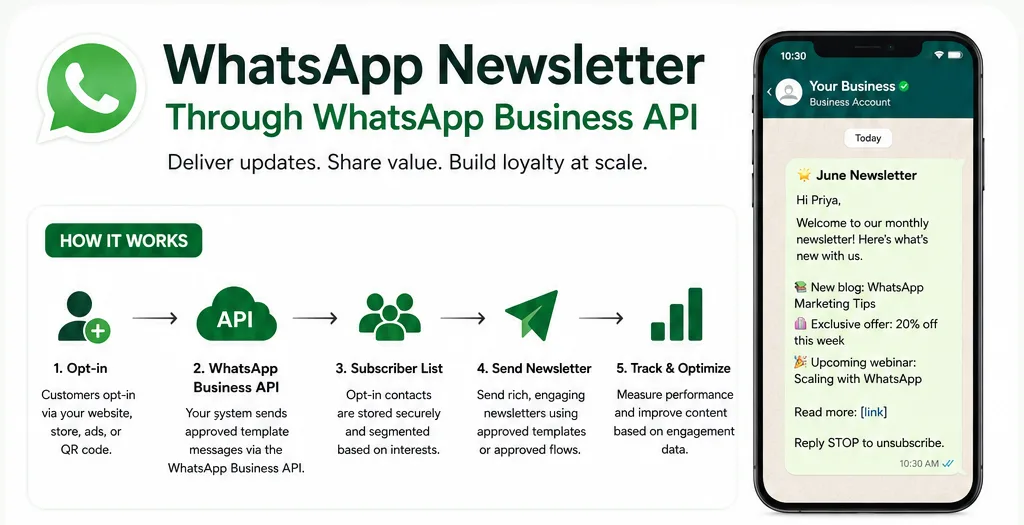
WhatsApp Newsletters (often powered by the Business API) are more robust. They function like email newsletters but with chat-like interactivity. Messages feel conversational, support rich media, quick replies, and automation. This is ideal for consistent value-driven content like tips, offers, or updates.
Why WhatsApp Newsletters Outperform Traditional Methods
- Higher open and response rates — Messages often get read within minutes.
- Conversational engagement — Customers can reply directly.
- Mobile-first — Perfect for quick consumption.
- Better than email for time-sensitive alerts and promotions.
Building Your WhatsApp Subscriber List: Best Practices
Growing a list ethically is critical — WhatsApp strictly enforces anti-spam rules. Violations can lead to bans.
1. Prioritize Explicit Opt-Ins
- Never import email/SMS lists automatically.
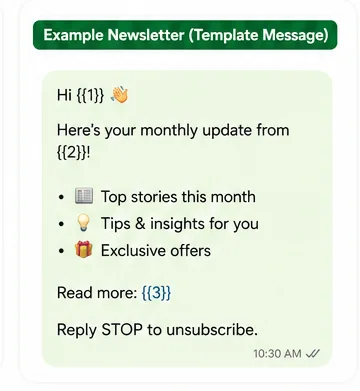
- Use clear language: "Subscribe to our WhatsApp updates for exclusive deals, tips, and early access. Message frequency: 2-4 per month."
- Add checkboxes on websites, checkout pages, or registration forms.
2. Offer Clear Value
Give people a reason to join:
- Exclusive discounts or early access.
- Useful content (newsletters with tips, industry insights).
- Lead magnets like free guides or webinars.
3. Multi-Channel Promotion Tactics
- Website: Pop-ups, widgets, or embedded "Click to Chat" buttons.
- Social Media & Bio Links: Promote with incentives ("Join our WA list for 10% off").
- QR Codes: Place on packaging, receipts, flyers, or in-store displays. Pre-fill a message like "JOIN NEWSLETTER".
- Click-to-WhatsApp Ads: Run targeted Facebook/Instagram ads that open a chat for opt-in.
- Existing Customers: Send polite invites via email/SMS asking them to join.
4. Leverage Automation & Tools
- Use WhatsApp Business API providers for segmentation, scheduling, and analytics.
- Integrate with CRMs for personalized journeys.
5. Segment and Nurture
- Group subscribers by interests, purchase history, or engagement level.
- Send targeted content to boost relevance and reduce opt-outs.
6. Compliance & Quality Tips
- Monitor your account's quality rating.
- Provide easy unsubscribe options (e.g., "Reply STOP").
- Start small and focus on high engagement to maintain good deliverability.
- Follow Meta's guidelines on message templates for marketing/utility categories.
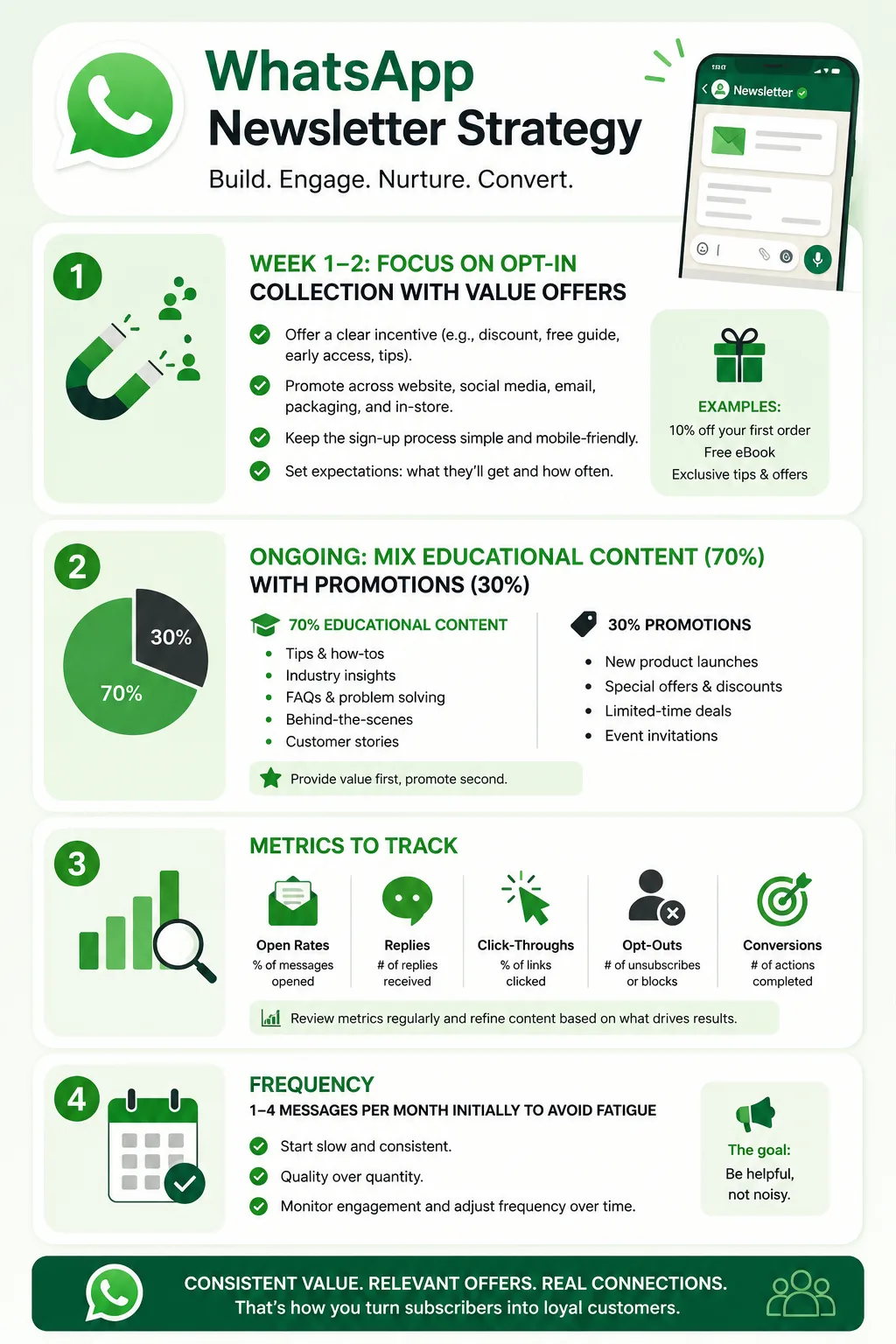
WhatsApp Newsletter Strategy
- Week 1-2: Focus on opt-in collection with value offers.
- Ongoing: Mix educational content (70%) with promotions (30%).
- Metrics to Track: Open rates, replies, click-throughs, opt-outs, conversions.
- Frequency: 1-4 messages per month initially to avoid fatigue.
Final Thoughts
A strong WhatsApp newsletter strategy combines the simplicity of broadcasts for starters with the power of the Business API for scale. By focusing on permission-based growth and genuine value, you can build a highly engaged audience that drives real business results.
Ready to level up? Start building your list today with ethical opt-ins and consistent value. With duochat, you can turn these subscriber strategies into automated, high-converting conversations.